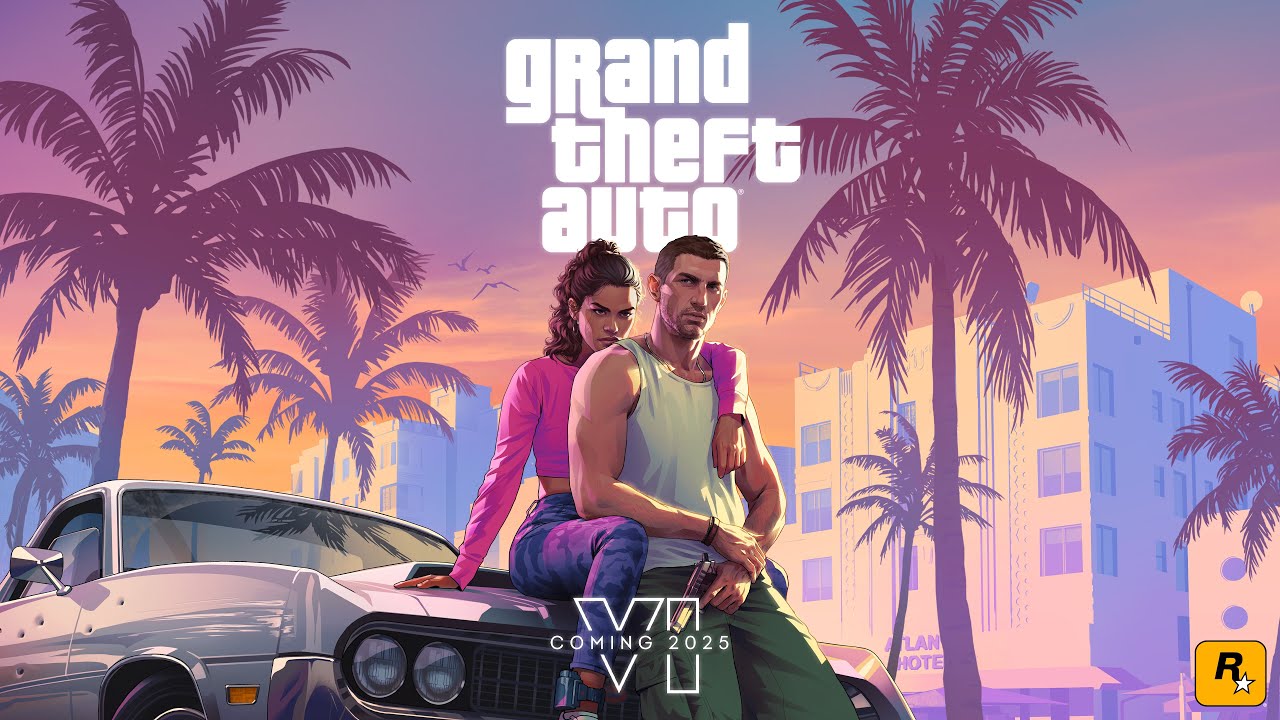
Preparing Your Setup for Modern Vice City: Reality Check
When Rockstar showcases dense Vice City crowds, ray-traced neon puddle reflections, and swaying palm trees in hurricane winds, PC gamers immediately start calculating whether their current hardware can hold a stable 60 FPS.
Every generational leap comes with upgrade anxiety. With GTA 6 powered by the overhauled RAGE 9 engine—featuring mandatory ray-traced global illumination, volumetric ocean physics, and aggressive high-speed asset streaming—your GPU, VRAM pool, and NVMe SSD will be put through the wringer.
Want to know about the story, map, and gameplay? Read our full Grand Theft Auto VI Overview & Release Guide.
Projected GTA 6 PC Hardware Tiers (1080p, 1440p & 4K Ultra)
Because RAGE 9 runs continuous ray-traced lighting passes and dense pedestrian AI simulation, here is our realistic hardware breakdown across standard and enthusiast tiers:
1. 1080p Standard Tier (Target: 1080p / 60 FPS / Medium Settings)
| Hardware Component | Minimum Target | Recommended Target |
|---|---|---|
| Operating System | Windows 11 64-Bit (23H2+) | Windows 11 64-Bit (24H2) |
| Processor (CPU) | Intel Core i5-12400F / AMD Ryzen 5 5600X | Intel Core i5-13600K / AMD Ryzen 7 7700X |
| Graphics Card (GPU) | NVIDIA RTX 3060 (12GB) / AMD RX 6700 XT | NVIDIA RTX 4060 Ti (16GB) / AMD RX 7700 XT |
| Video Memory (VRAM) | 8 GB Minimum | 12 GB – 16 GB GDDR6 |
| System Memory (RAM) | 16 GB Dual-Channel DDR4/DDR5 | 32 GB DDR5-6000 |
| Storage (SSD) | 150 GB PCIe Gen 3 NVMe SSD | 150 GB PCIe Gen 4 NVMe SSD |
2. High-Fidelity 1440p & 4K Enthusiast Tier (Target: 60–120 FPS / High–Ultra)
| Hardware Component | Sweet-Spot 1440p High | 4K Ultra Ray Tracing |
|---|---|---|
| Operating System | Windows 11 64-Bit | Windows 11 64-Bit |
| Processor (CPU) | AMD Ryzen 7 7800X3D / Intel Core i7-14700K | AMD Ryzen 7 9800X3D / Ryzen 9 9950X3D |
| Graphics Card (GPU) | NVIDIA RTX 4070 Super / AMD RX 7800 XT | NVIDIA RTX 4080 Super / RTX 5080 |
| Video Memory (VRAM) | 12 GB – 16 GB GDDR6X | 16 GB – 24 GB GDDR7 |
| System Memory (RAM) | 32 GB DDR5-6000 CL30 | 32 GB – 64 GB DDR5-6000 |
| Storage (SSD) | 150 GB PCIe Gen 4 DirectStorage | 150 GB PCIe Gen 4/5 DirectStorage SSD |
The Three Crucial Bottlenecks You Should Know
Usually, PC gamers fixate purely on GPU core clocks. But in a massive open-world engine like RAGE 9, frame stability is dictated by memory throughput and bus bandwidth:
1. Why 8GB VRAM Will Struggle at 1440p
At 1440p with high-resolution texture packs, ray-traced reflection denoising buffers, and upscaler history data, memory allocation quickly swells past 10.5 GB. On an 8GB card (like an RTX 3070 or RTX 4060 8GB), data spills over the PCIe lane into system RAM, producing sudden 1% low frame dips during fast driving through downtown Vice City. An 12GB to 16GB VRAM buffer ensures smooth asset residency.
2. CPU Cache & 3D V-Cache Advantages
Vice City’s dense traffic AI, boat physics in the Everglades, and dynamic police chases create heavy draw-call traffic on your main game thread. Processors with stacked L3 cache (like AMD’s Ryzen 7 7800X3D and 9800X3D) prevent bottlenecking when streaming hundreds of interactive entities simultaneously.
3. NVMe SSD & DirectStorage Are Mandatory
Forget mechanical hard drives or SATA cables. High-speed NVMe drives running at 5,000+ MB/s with Microsoft DirectStorage bypass CPU decompression bottlenecks, feeding textures straight into GPU VRAM to prevent pop-in during high-speed highway chases.
What About Handhelds? (Steam Deck & ROG Ally X)
- Steam Deck OLED (15W APU): Expect a heavy challenge. Running a RAGE 9 open world with hardware ray-tracing passes will demand 720p internal scaling via FSR 3 Performance and a locked 30 FPS profile.
- ASUS ROG Ally X & Ryzen Z1 Extreme Handhelds: Thanks to 24GB of unified LPDDR5X memory and 25W–30W Turbo TDP, 900p Medium with FSR 3 Frame Generation should comfortably target 45–60 FPS while tethered to power.
Key Graphics Settings to Adjust First for Maximum FPS
When launch day arrives on PC, you do not need every visual slider cranked to Ultra:
- Volumetric Clouds & Ocean Fog (Medium): Reduces heavy ray-marching shader passes during storms and sunsets, saving up to 18% GPU render time.
- Reflection Quality (High instead of Ultra): Halves ray bounce counts across cars and puddles while retaining crisp neon reflections.
- Shadow Cascades (High): Distant soft shadows eat massive draw calls; dropping one notch from Ultra looks virtually identical in motion.
- DLSS / FSR Quality Mode: At 1440p and 4K, modern temporal reconstruction produces cleaner power lines and palm fronds than native TAA with a major frame-rate boost.

